-
- See also: Swytch eBike Install (and Review)
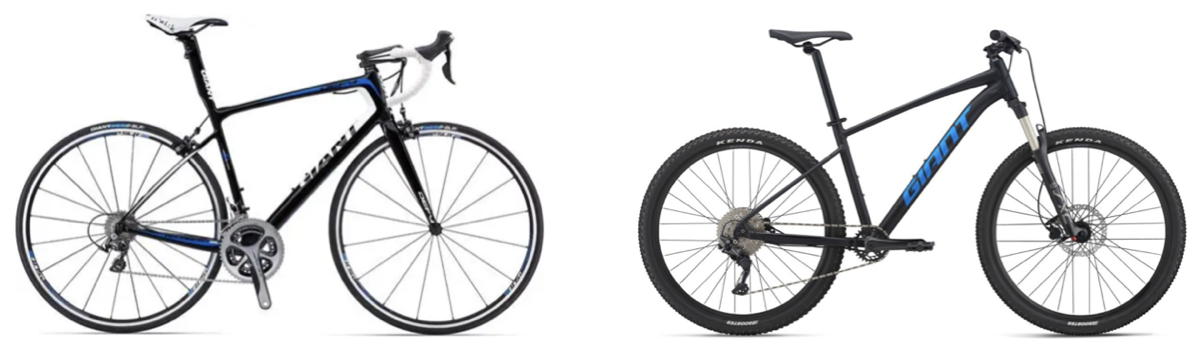
I regularly ride two bikes fitted with Gen 3 Swytch kits with Max batteries – a Giant Defy road bike (2013 model), and a Giant Talon MTB (2022 model). Both are great bikes – both are better bikes (for my needs) for being fitted with Swytch hub motor kits.
I only use the motor on these bikes as a ‘pedal assist’, for a subtle boost on hills or into a strong headwind, not for full-time propulsion. Since fitting the Swytch kits to these bikes a couple of years ago I have ridden the Defy road bike over 10,000 kms, and the Talon MTB nearly 3,000 km.
Even though I have these two excellent bikes in the garage, ready for action at a moment’s notice, a part of my bike brain has always thought that a one-size-fits-all gravel bike would be a good thing – a go-anywhere, all purpose, all-terrain, every-day-of-the-week ride. (Can you ever have too many bikes?)
I recently had the chance to purchase a used Merida eSilex 400 gravel bike (2021 model), with only 540kms on the clock, The eSilex has a 237Wh battery built-in to a lightweight aluminium frame (14.1 kg), powered by a street-legal 40Nm 250W rear-hub motor.
An e-gravel bike sounded to be exactly what I was looking for – a road and trail ‘hybrid’ bike, without the weight or bulkiness of a regular e-bike. In fact the eSilex bike is exactly the same weight as my carbon-frame Defy bike with the Swytch hub motor and battery fitted. (And 5kg lighter than the Talon MTB.) On paper it certainly ticked all the boxes.
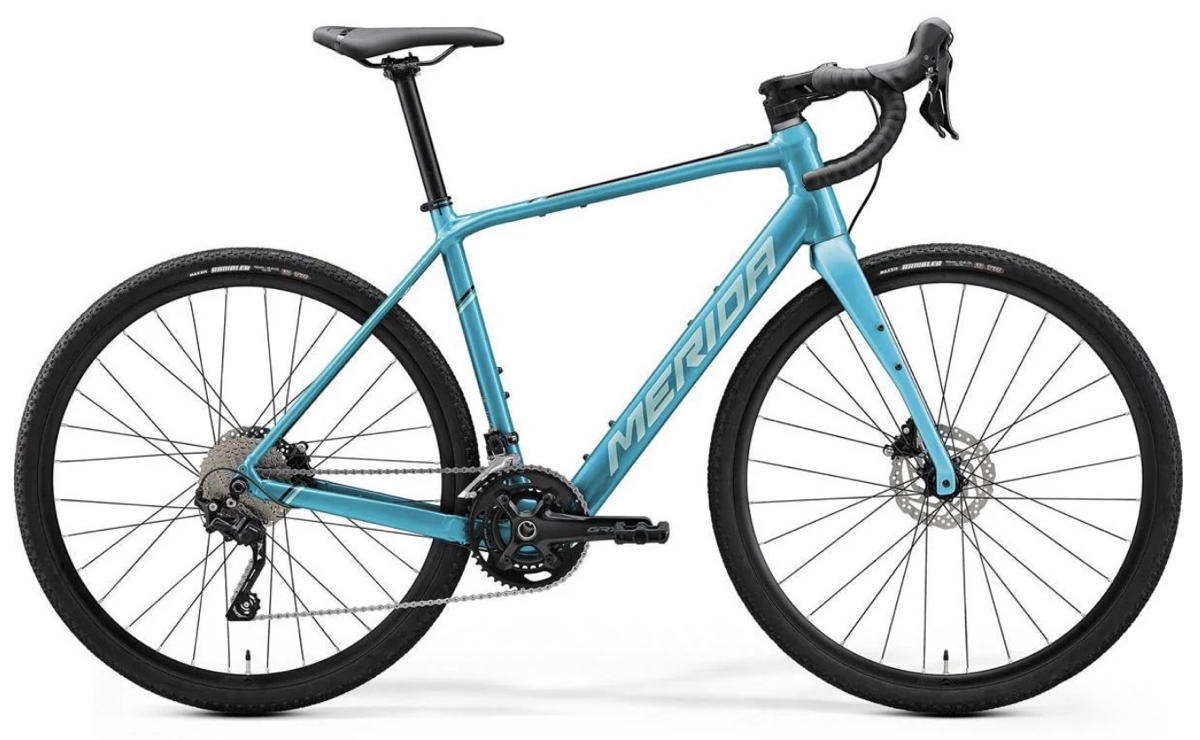
The eSilex looked to be the perfect all-terrain ‘stealth’ e-bike for commuting, road riding, local trail expeditions and the occasional extended tour – and an ideal bike for carrying on the Campervan – lightweight, all terrain, etc.
That was the plan.
However, after three months of riding the Merida bike pretty much exclusively, I took the old Defy out for a ride – and was immediately reminded of how good it was – so much better to ride than the Merida, in so many ways. The Defy was such a pleasure to pedal.
So, rather than gradually phasing out my two Giant bikes and moving to the gravel bike, I have sold the Merida and moved back to my ‘Swytched’ bikes. They are so much more enjoyable to ride.
When the rubber hits the road (or gravel)
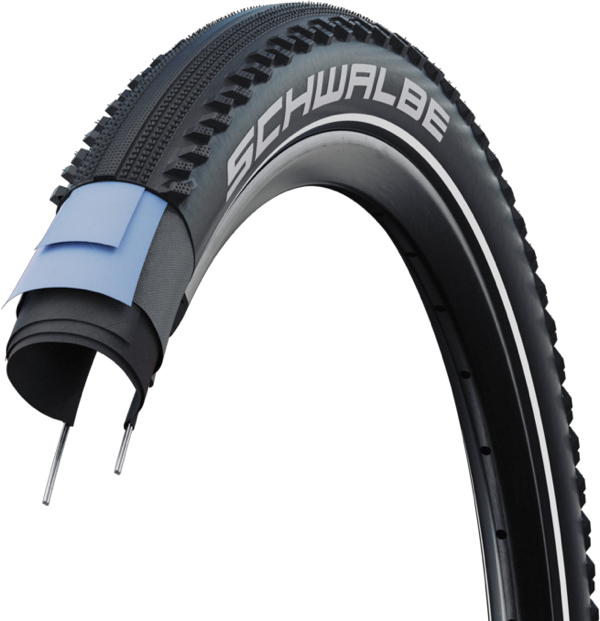 Despite fitting my favourite all-terrain tyres on the eSilex (40mm Schwalbe Hurricane), the old Defy road bike with 28mm Schwalbe Duranos rolls so much better on the road than the eSilex. Way less pedalling effort when on zero battery assist, even with a narrower gear range than the 20 speed Merida.
When getting off the road onto a gravel trail, or any other unpaved surface, the Talon MTB with its 57mm tyres (Schwalbe Hurricane) and front suspension forks provides a much more comfortable and positive experience than the eSilex with its solid carbon forks. And for riding on trails or gravel roads I see no point in having a drop handlebar, as fitted on the eSilex. I find a flat bar, with hand grips further away from the stem, is a much better option for off-road manoeuvring.
The Shimano GRX400 hydraulic disk brakes on the eSilex are outstanding. But the Shimano Ultegra rim brakes on the Defy and the Tektro hydraulic disks on the Talon do the job just fine too.
Both the Defy and Talon are fitted with 1×10 gears, which are perfect for the riding that I do. The 2×10 gears on the eSilex were excellent on road rides, but were definitely overkill in an off-road environment.
The eSilex also has a stack of mount points on the frame – ideal for attaching bags and accessories for touring.
Of course there are always going to be compromises and adjustments when considering the geometry, gearing and fit-out features of different bikes, but the real deal-breaker for me was on the e-side of things…..
Take Control
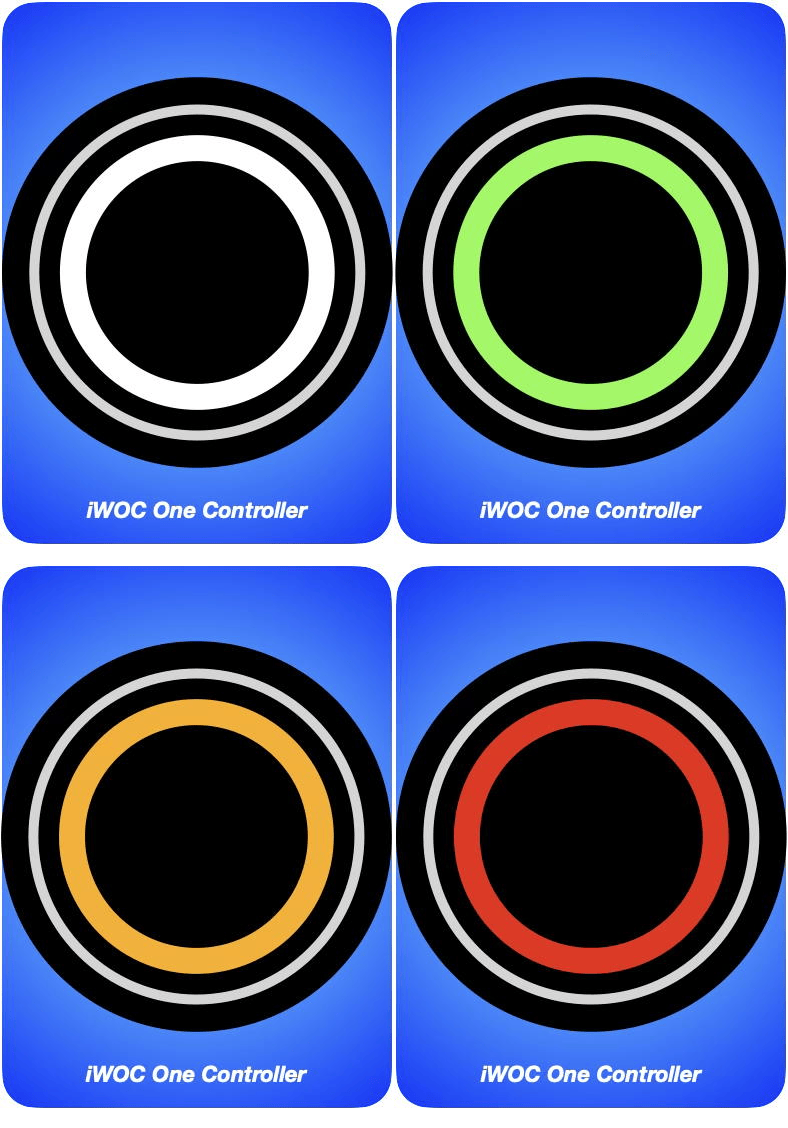 My first disappointment with the Merida was the motor/battery controller. The Mahle system fitted to the eSilex is controlled through the iWOC button on the top bar of the frame. All e-information is conveyed to the rider via a coloured LED ring around the button.
The default White / Orange / Red rings indicate battery charge levels – 75% / 50% / 25%. Pressing the button twice will provide an e-assist to Level 1, indicated with a temporary green ring. Pressing again will boost you up to assist Level 2, indicated by a (temporary) orange ring. Another double press of the iWOC button will lift you up to assist Level 3, indicated by a (temporary) red ring around the button. The annoying part of all this is the ‘temporary’ bit – as you change the battery assist from one level to the next, the LED display ring reverts to displaying the battery charge level, rather than letting you know what assist level you are using.
Despite this display shortcoming, the actual Mahle motor system is very good. The transition between zero assist and Level 1, and then between subsequent boost levels, is so smooth you barely notice the change – except that your pedalling gets easier. And the Mahle MySmartBike app on your phone allows you to adjust the standard assist levels to suit your specific needs.
However, that said, the Mahle control system leaves a lot to be desired……
-
- You have to let go of the handle bar and focus on pressing the iWOC control button the correct number of times to adjust the battery assist. Repeatedly. While travelling along a rough path, or in busy traffic at 25 kmh.
- The assist control is cyclic, in one direction – you can only change ‘up’ a level, not ‘down’. Moving from Level 2 assist back to Level 1, as you do when a gradient decreases, involves first moving up to Level 3, then around the loop to Level 0 (You), then back up to Level 1. There is no built-in option for moving directly from Level 2 down to Level 1. And each one of these level changes involves a button press. So, to move from Level 2 to Level 1 requires four presses of the control button on the top frame bar – as well as checking the ring colour – while you are riding.
- After changing assist levels, the LED ring switches back to display battery charge, so after a sustained climb, or a push into a headwind, you can’t just quickly glance at the button to check what assist Level is currently engaged – you have to press the button again to activate the coloured LED Level ring. Very distracting.
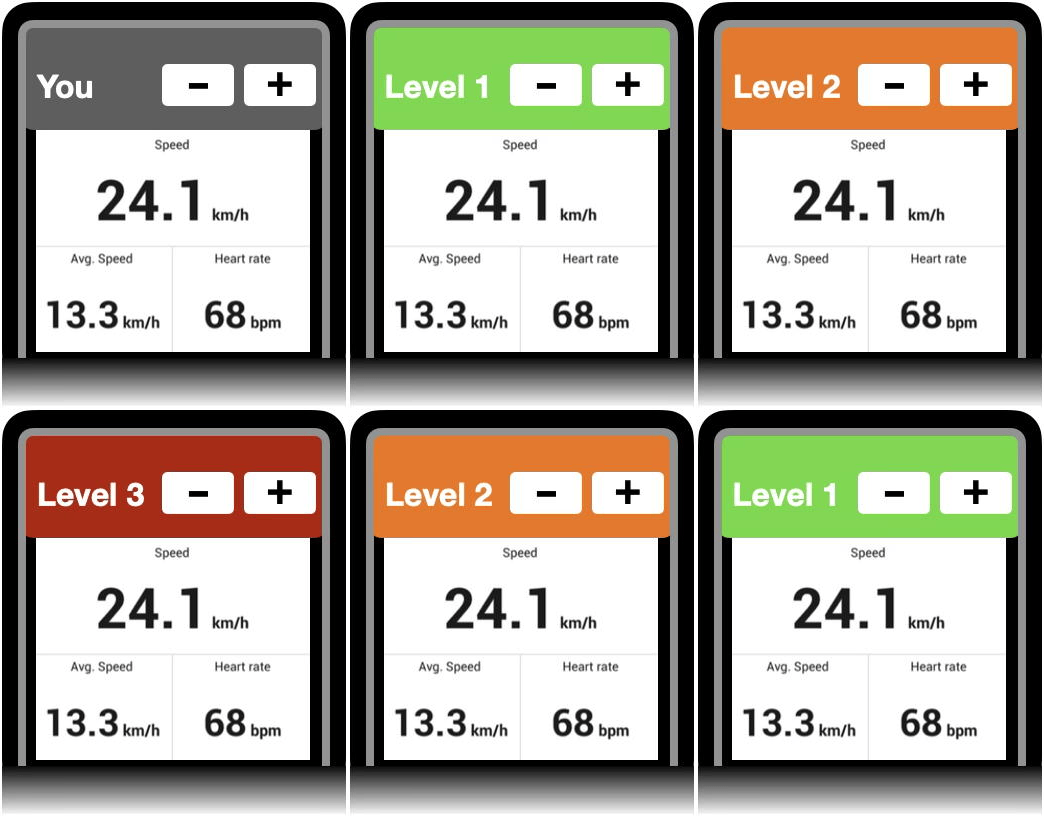 Far more flexibility is available using the Mahle MySmartBike phone app connected to the system electrical with Bluetooth. I installed the app and fitted my phone to the top of the handlebar stem with a QuadLock connector. This provides a great dashboard with lots of useful information, including speed, distance travelled, and most importantly, an indicator of what assist Level is currently engaged. The app also provides a touch interface to easily move up and down assist levels. But to use it you have to let go of the handlebar, reach across to the centre of the handlebar, and take your eyes of the road to carefully touch the plus/minus buttons to change the assist level. Definitely better than the iWOC button, but still not great. (I also installed the corresponding app on my Apple Watch, which fed my heart rate into the phone display.)
Because the Mahle MySmartBike app is using the phone’s GPS, the phone battery is depleted more quickly than it otherwise would be. My solution was to hook up a 20,000 mAh battery bank (fitted in a top-tube bag) for the phone battery to last through the day. Not ideal.
I much prefer the Swytch OLED control unit, fitted adjacent to the left hand grip, that involves a more subtle movement of only my thumb to change the assist level, with almost zero distraction from the road. In fact when required it can all be done by feel.
-
- Note: The Mahle PulsarOne display is an optional extra that resolves many of these issues (on X35+ systems), and should be a standard fitting.
Power On
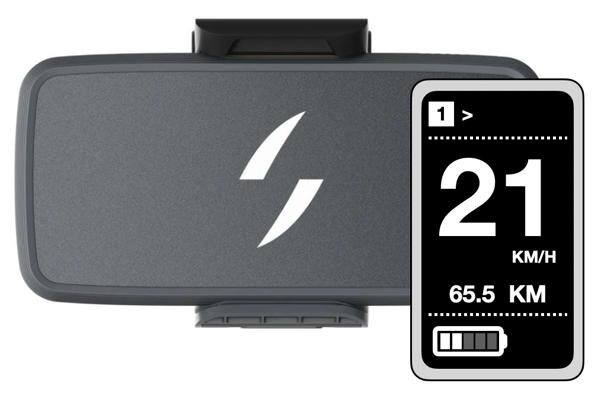 Now, let’s talk batteries. The Swytch Max battery is 180Wh capacity and easily gives me a range of about 60 km on my regular rides, using Level 0 – Level 1 assist, or occassionally Level 2. And because I have two bikes fitted with Swytch kits I can share batteries between bikes and double up the range by carrying a spare battery if necessary. Rarely required, but certainly a handy backup option to have available (to quell any ‘range anxiety’).
The Swytch battery is fitted on the handlebar, and doesn’t consume any valuable frame real estate, which can be used for bags and bottles.
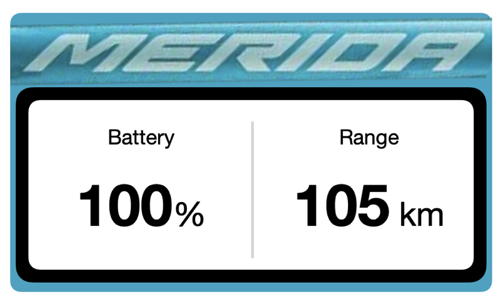 The integrated battery fitted within the eSilex frame is 237Wh capacity, which gives me a range of about 100 km, riding mostly in Level 0 – Level 1 or occasionally Level 2. This certainly ticks the boxes for range and frame-space.
To setup for a longer tour I would need to buy a range extender battery (208Wh) that fits onto the frame with a bottle cage arrangement, which sounds great – until you discover that the cost of the extra battery is up around AUD $1000! For one battery!
Moving On
Although it is a very good bike, for me the Merida eSilex proved to be something of a “Jack of all rides, master of none” kind of bike. The eSilex has now found a new home, with a very happy daily commuter utilising the bike path network in the national capital, where it will be ideal bike. And I am happily back on my Swytch bikes, choosing the appropriate bike for each particular ride. The grass is not always greener over yonder!

A wish list for the future?
A well setup e-gravel bike is an option that still appeals to me. But the base bike would need to have:
-
- An integrated battery fitted within the frame tubes;
- An affordable battery ‘extender’;
- An easy-to-access motor controller and touch display;
- A flat handlebar;
- 1×10 (or 1×12) gears;
- Weight not exceeding 15kg, incl motor and battery;
- Front shocks would also be a good thing for off-road excursions.
And until something better comes along, the Swytch bikes tick most of those boxes.