Caravan Salon Düsseldorf has wrapped up for another year, offering an interesting glimpse at where the global RV industry might be heading next.
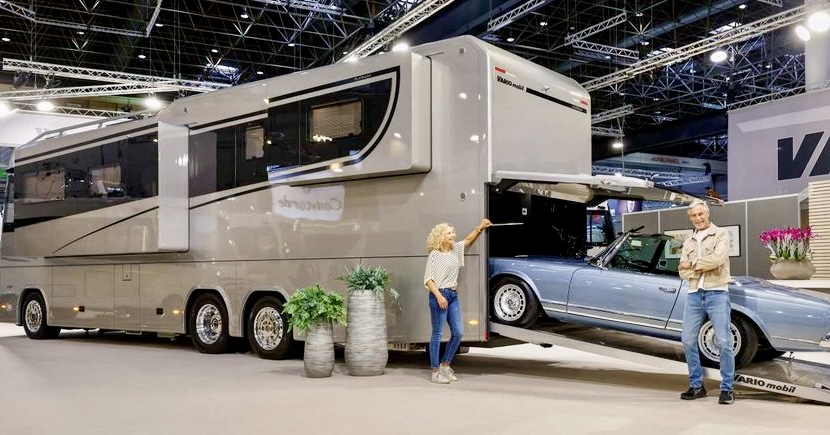
Among the new models and concepts unveiled for 2026 were everything from Australian-built off-road caravans making their European debut to an electric motorhome built from the ground up, a caravan that expands at the touch of a button and a $3.5 million motorhome with room in the back for a Porsche 911.
Look beyond the individual launches, though, and some bigger themes start to emerge. Some manufacturers are trying to make RVs lighter, smaller and more practical for everyday life. Others are pushing further into off-grid capability and sophisticated expedition travel. And at the very top end, it seems there really is no limit to how luxurious an RV can become.
 Just getting started in the Campervan world?
 Like most Campervan travellers, we have always kept an eye on our batteries’ State of Charge (SoC), and as the price of Lithium batteries has slowly tumbled we wondered if it might be worth going for something a bit bigger in the energy storage department.
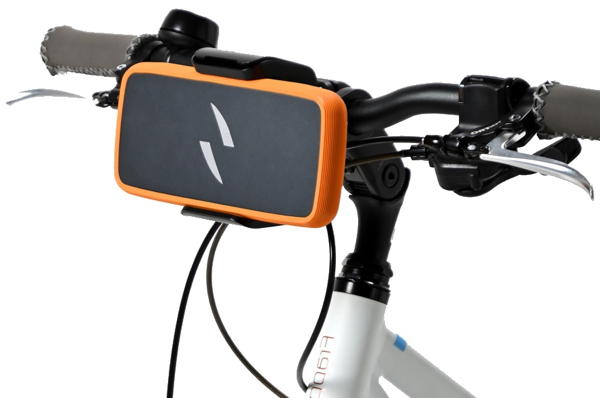 We recently converted our road bikes to e-Bikes, installing a Swytch conversion kit – a hub motor and lightweight battery. We can still ride the bikes as ‘regular’ pedal bikes, but have the option to flick a switch to fire up the battery for that long climb.
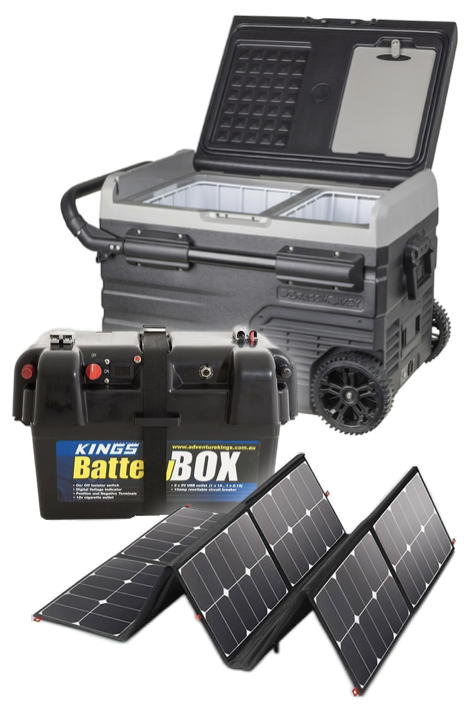 Don’t have a Campervan, but still want to glamp-up your campsite with a fridge, and a 12V power supply?
 A cold fridge is at the heart of every modern campsite, and a reliable (and sustainable) 12V power supply is critical in keeping that fridge cold, along with supplying electrical energy for lighting, cooking, device recharging and water pumping.
 It is a relatively straightforward project to remove and repair a Winegard TV antenna.
 Not so long ago people were happy running their basic camping kit from a 12V battery or an LPG bottle. Inverters were clunky old boxes that were used by those working away from a mains power source, firing up the angle grinder to repair the hinge on the gate in the bottom paddock.